
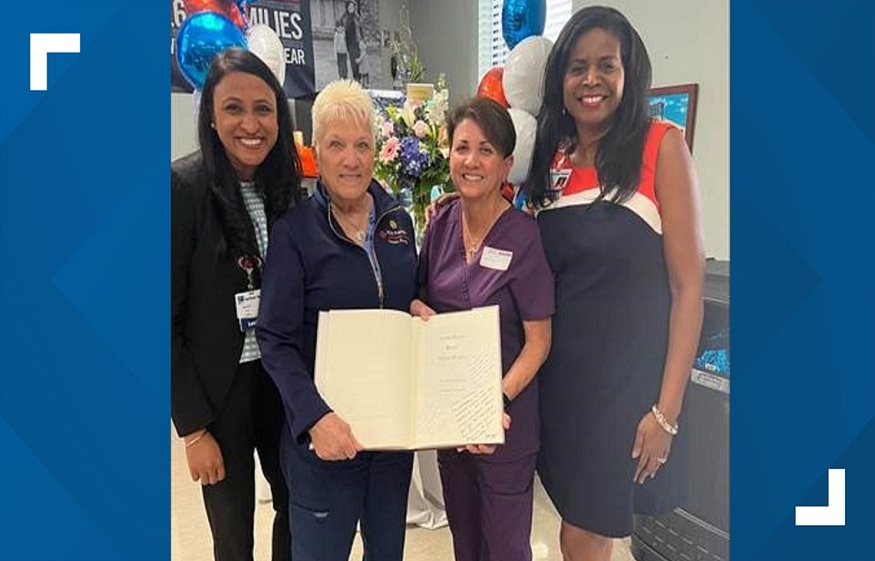
Healthcare is undergoing one of the most significant transformations in its history, driven by technological innovation, shifting patient expectations, and a growing recognition that diverse leadership produces better outcomes. As Valerie Powell Stafford points out that among the many forces reshaping this industry, the rise of women in leadership roles stands out as both a symptom and a driver of meaningful change. From hospital boardrooms to research laboratories, women are increasingly occupying positions where they influence policy, drive innovation, and redefine what compassionate, effective care looks like.
Valerie Powell Stafford briefly talks about how women leaders are shaping the future of healthcare
For decades, healthcare leadership was dominated by a narrow demographic, even though women have always formed the backbone of the healthcare workforce as nurses, caregivers, and frontline providers. That imbalance is beginning to correct itself. Women are now stepping into executive suites, chairing hospital boards, leading pharmaceutical research divisions, and founding health-tech startups. This shift is not simply about numbers; it reflects a broader cultural recognition that leadership teams perform better when they include a range of perspectives, life experiences, and problem-solving approaches. This growing representation matters because healthcare decisions affect everyone, and leadership that mirrors the diversity of patient populations tends to produce policies and services that are more attuned to real-world needs. When women hold decision-making power, organizations often see a stronger emphasis on holistic care models, preventive health strategies, and patient-centered communication.
Read More : Tennessee Men’s Clinic Discusses Fitness Habits That Support Hormone Optimization
One of the most notable contributions of women leaders in healthcare has been a renewed focus on the patient experience. Rather than viewing healthcare purely through a clinical or financial lens, many women in leadership positions advocate for models that treat patients as whole individuals, factoring in emotional well-being, social circumstances, and long-term quality of life alongside clinical outcomes. This approach has influenced everything from hospital design to telehealth platforms, with a growing emphasis on accessibility, empathy, and continuity of care. Leaders who prioritize these values tend to build organizations where communication between providers and patients improves, trust deepens, and adherence to treatment plans increases as a result.
Beyond individual organizations, women in healthcare leadership are increasingly vocal advocates for systemic reform. This includes pushing for policies that address workforce burnout, improve maternal health outcomes, expand access to mental health services, and close persistent gaps in care for underrepresented communities. Their advocacy often draws on firsthand experience navigating a system that has not always been designed with women’s needs in mind, whether as patients, caregivers, or professionals balancing demanding careers with personal responsibilities. This lived perspective translates into policy priorities that might otherwise be overlooked, and it strengthens the broader movement toward a healthcare system that is more responsive, equitable, and sustainable for both patients and providers.
Read More : How Chronic Inflammation Worsens Fatty Liver Disease
As Valerie Powell Stafford points out that perhaps one of the most enduring contributions of women healthcare leaders is their commitment to mentorship. Many actively work to open doors for the next generation of women in medicine, research, and health administration, recognizing that sustainable change requires more than individual success stories. By building networks, sponsoring young professionals, and championing inclusive hiring practices, these leaders are laying the groundwork for a more balanced leadership pipeline in the years ahead.










+ There are no comments
Add yours